

Frommer’s turns 70 in 2027. Threescore and ten years ago, our founder, Arthur Frommer, set forth upon an old continent and created Europe on 5 Dollars a Day, dedicated to the proposition that all folks can travel, and signaling that the age of tourism solely for elites, by elites, and of elites had perished from the earth.
All these years later, we’re still at it. We remain convinced of the spirit-restoring, mind-opening benefits of travel, and we remain committed to helping you avoid the wallet-emptying, patience-draining, stress-spiking parts. Arthur Frommer struck the right balance between promise and practicality from the very start, choosing for his first title a combo that gives you a dream destination and also a budget.
We consider our annual feature on the Best Places to Go in the new year to be a crucial part of our overall mission. Carefully chosen by our expert, award-winning, and (ahem) entirely human contributors and editors, this yearly list highlights worthwhile destinations celebrating milestones, unveiling exciting new projects, or simply coming into their own as must-visit spots after previously being overlooked, dismissed, or forgotten.
Aiming for variety in geography, budget, and traveler interest, we hope that anybody who scrolls through these picks will find a great place to go—near, far, or somewhere in between.
As for Frommer’s? After 70 years, we’re not going anywhere. Which is to say, we’ll keep taking you everywhere.
Here, in no particular order, are the Best Places to Go in 2027.
The Austral Islands, French Polynesia
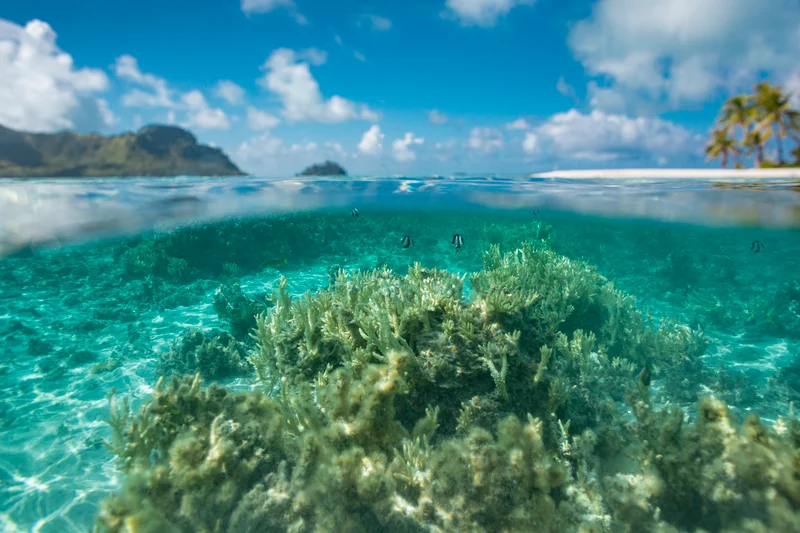
You may not have thought of the Austral Islands for your dream vacation, but it’s not their fault. These lushly unspoiled South Pacific isles have always been difficult to reach. When tourists go to French Polynesia, their international flights land in the Society Islands, the well-developed home of resort mainstays Bora Bora and Tahiti. But about 400 miles south, the far more pristine Austral Islands rise from the sea like green blades of volcanic stone, carpeted with jungles, pocked by jagged caves, and ringed with coral reefs and white sandy beaches.
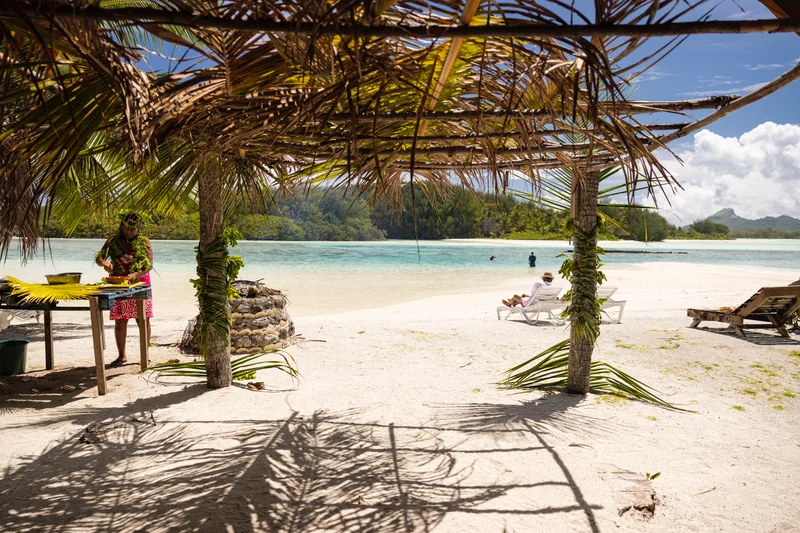
Just 6,600 or so residents live here, working mostly as skilled basket weavers, fishers, farmers, or operators of small guesthouses for the few visitors who make it this far. The locals depend on regular cargo ferries for their daily routines. Starting in spring 2027, new service begins aboard the freshly built, 381-foot Aranoa, a passenger/freight ship from Aranui Cruises with 91 cabins (62 with balconies), a spa, and two restaurants—and tourists are invited to come along.

One of the ship’s most important routes calls on the main Austral isles during a 12-night circuit starting in Tahiti, where jets from North America and Europe land. The comfortable vessel makes touring the Austral Islands convenient and affordable for such a remote destination (fares start at $4,734 including meals); passengers can hop around the archipelago for hikes, fishing, or blissful hours spent in cyan waters on completely empty beaches. From July to October, add in undisturbed swims with humpback whales. The ultimate remote island getaway has finally been brought within reach. —Jason Cochran
Abruzzo, Italy
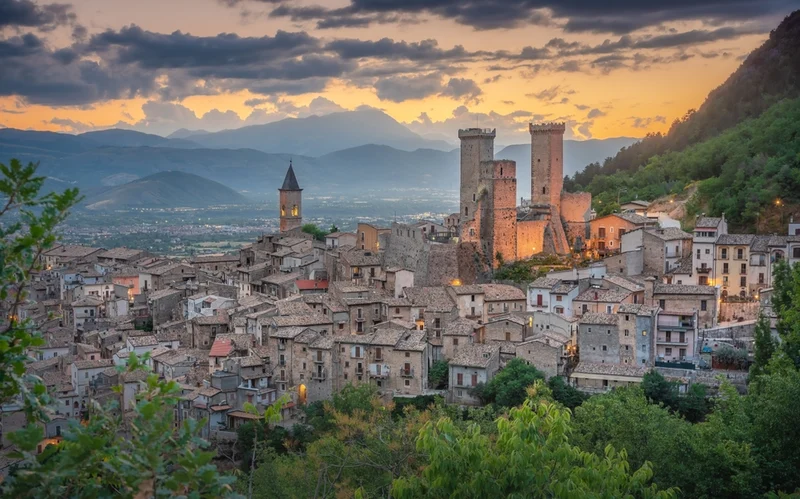
Italy without crowds? The hilly region of Abruzzo gets only a fraction of the tourists flooding Rome (about 2 hours to the west)—and most of Abruzzo’s visitors are Italians drawn by cultural festivals and hiking in the Apennine Mountains.
The region’s capital, the university town of L’Aquila, hit the radar last year as the official Italian Capital of Culture. Teramo, another university town, hosts the summer MoonJune Festival showcasing progressive music.
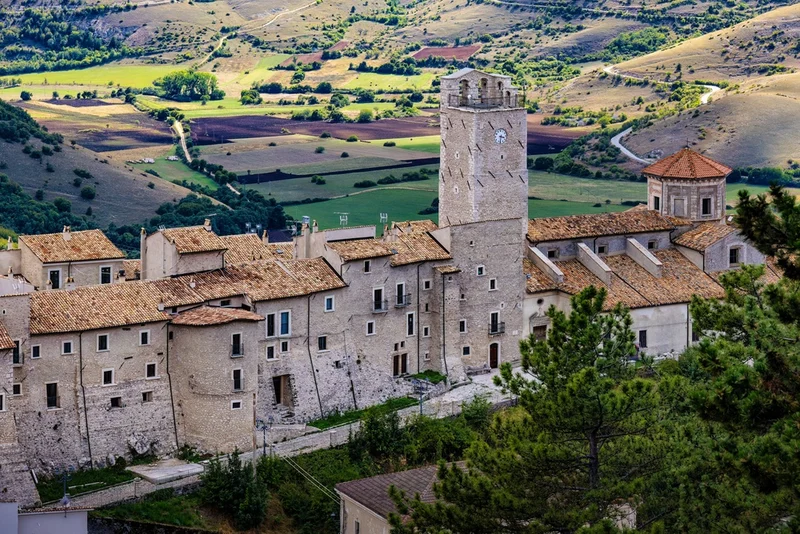
But Abruzzo’s hidden gem is Sulmona, a medieval town of 21,000 ringed by mountains. The portal to several national parks, Sulmona is also the birthplace of two famous Italians: the poet Ovid and the colorful candy-covered almond treat called confetti served at Italian weddings. Each evening, locals make their evening passegio through the stone streets and beneath a striking medieval aqueduct on their way to church, one of several acclaimed restaurants, or a gelateria scooping out frozen delectables.

Sulmona’s centerpiece is Piazza Garibaldi, home to two impressive happenings. Since the 11th century, Easter Sunday has been marked by an unusual foot race here, as 6 local men, carrying a massive statue of the Virgin Mary, dash across the square, to symbolize Mary running with joy to be reunited with the risen Christ. (If they don’t stumble during the run, crops will be bountiful, according to local traditions). A few months later is a grand summertime historical event complete with a parade and jousting festival. —Jane Wooldridge
Salt Lake City, Utah
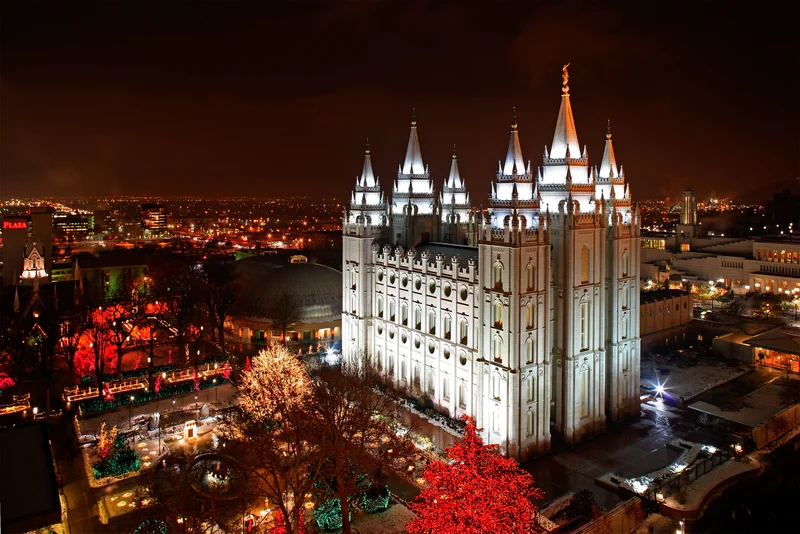
Salt Lake City has always been a unique, even peculiar place. Founded by Mormon pioneers in 1847, its literal center remains Temple Square.
In any other year, we’d focus on something other than the elephant in the room. But after nearly seven years of closure for renovation and seismic upgrades, the Salt Lake Temple will open to the public in 2027—for the first time since its 1893 dedication. For 180 days, April 5 to Oct. 1, non-members can enter a building that is otherwise closed to them. Free reservations are required, and the first million were claimed in less than 24 hours. Tickets are being released in batches in the lead-up to the 2027 opening, with additional reservations still to come.
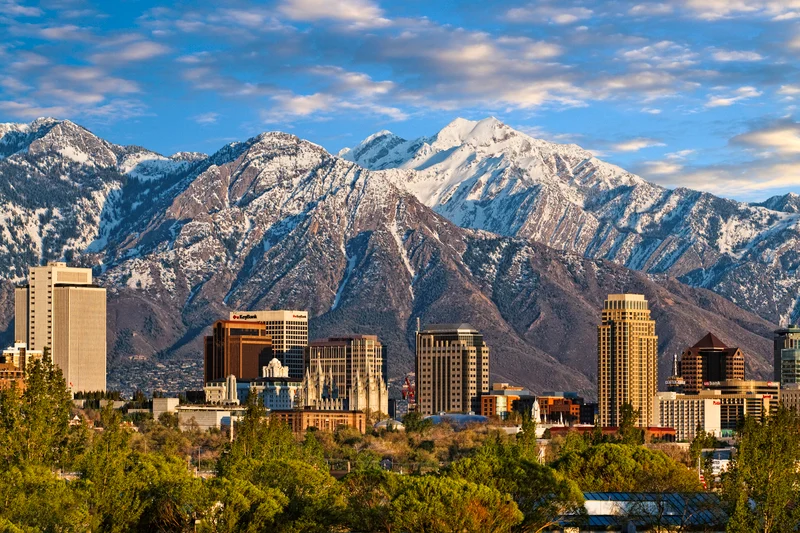
Aside from the temple brouhaha, here’s a more secular development: Salt Lake earned its first Michelin star. Monte, a highly produced, one-seating affair tucked behind a distillery, got the coveted star, while Feldman’s Deli, One More Noodle House and Pho 777 were designated Bib Gourmands. The recognition follows years of James Beard nominations and finalists, so if you can’t get a table at Monte, meh. Oquirrh, Table X, Arlo and others have steadily earned the more important stars—the ones locals bestow with their patronage.
One of Salt Lake’s biggest allures is that the mountains are right there for skiing, and this season all eyes will be on two resorts for very different reasons. Deer Valley, which has set the bar for white-glove service since 1981—a fleet of green jackets stands ready to address your most trivial concern—has more than doubled its terrain to 4,500 acres and built an entirely new East Village base.

Meanwhile, Sundance has quietly added more than 100 acres of terrain and a new base hotel. Rather than another gilded mountain behemoth, the new Sundance Inn is deliberately understated, tucked into the landscape, and in keeping with Robert Redford’s vision for the place (RIP Bob). Both are doubling down on what they do best: Deer Valley on polished, unapologetic luxury; Sundance on intimacy, landscape and restraint. Pick your vibe. —Jeremy Pugh
Uzbekistan
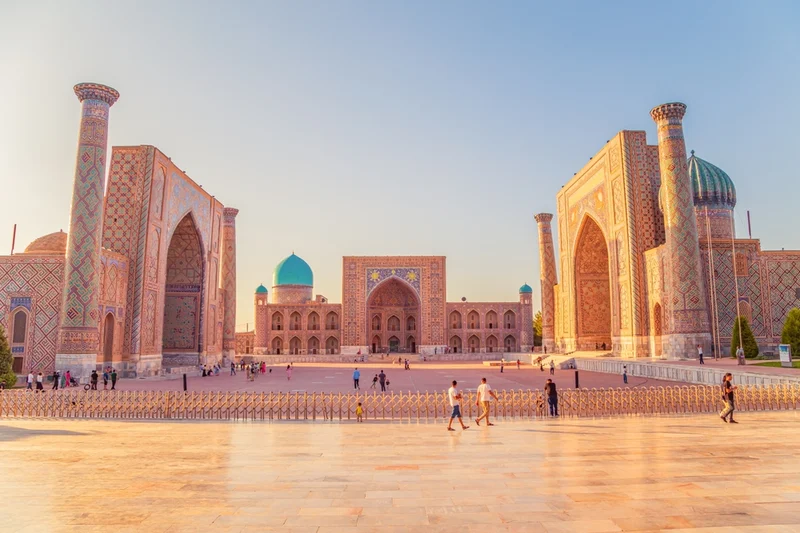
You read it here first: Uzbekistan is poised to become the “it” destination thanks to two developments that have greatly improved the logistics of visiting. It makes our list this year because we think it’s a “see-it-before-it-gets-overrun” pick, so move fast.
What were those developments? Well, in January 2026, Uzbekistan announced that visitors from a number of countries, including the United States, would no longer need a visa for entry, dismantling what had long been a major inconvenience.

That move followed on the heels of the introduction, in 2024, of new, high-speed train cars between Uzbekistan’s Tashkent and Khiva, which cuts the journey time from 14 hours to a far more appealing 7.5. And it doesn’t hurt that the U.S. State Department currently ranks Uzbekistan as safer to visit than France or Spain, or that prices are laughably low (a subway ride for 30¢, a ride share across town for $1, a visit to a top attraction or a sit-down meal for $5, a lovely hotel for $50–$75).
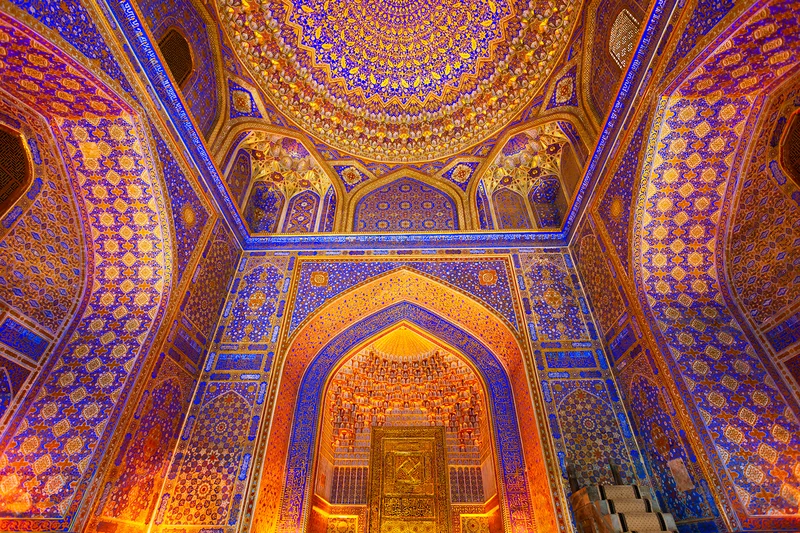
But you don’t go to Uzbekistan because it’s cheap and convenient. You go because it’s a place of wonders. This was, after all, the heart of the storied Silk Road, and the 14th and 15th century mosques and madrasas of Samarkand speak to the wealth and spirituality of that era with their exquisite azure, lapis lazuli, and turquoise glazed tile facades. The 2,000-plus-year-old city of Bukhara (another UNESCO World Heritage Site), preserves the most intact medieval architecture in Central Asia, some of it from the 10th century.

And rushing into the near past, the modernist buildings of Tashkent and its downright glamorous subways (some have chandeliers!) speak of the ambitions of the Soviet era and today—while the remains of the Aral Sea, once the fourth-largest lake on the planet and largely drained to sustain cotton fields, are the corollary cautionary tale. Touring this now-desert, with its graveyard of ships, former lakeside cities, and islands, is a fascinating side trip. —Pauline Frommer
Waikato Region, New Zealand
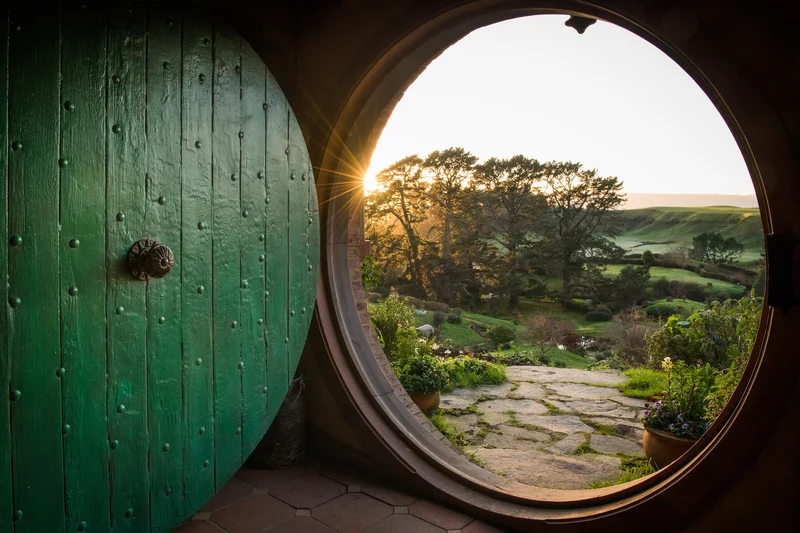
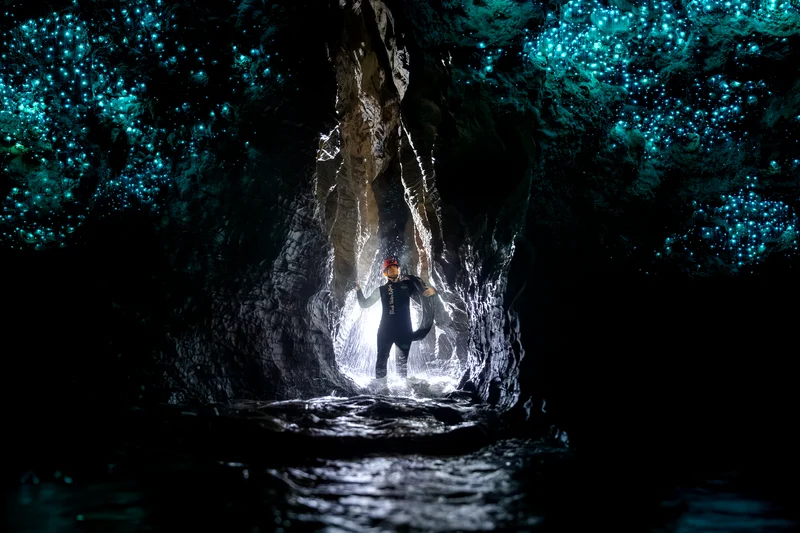
Most people visit New Zealand’s Waikato region, in the heart of the North Island, for two things: Hobbiton and tiny glowing insects. And while the bucolic Lord of the Rings set and the otherworldly, glittering glowworm caves of Waitomo are both worth the price of their respective tours (book well in advance for Hobbiton!), the Waikato—named for the wide river that winds through the region—deserves a longer stay, especially in 2027.
In February, the biennial Māori performing arts festival Te Matatini comes to the Waikato, hosted at Ngāruawāhia by the Tainui tribe. Kapa haka—which combines singing, dancing and chanting—is spine-tingling and awe-inspiring, as Beyoncé discovered on a visit here. This is a chance to see the country’s best performers compete; Māori culture not put on for the tourists, but thriving and at its most alive.
To simultaneously immerse yourself in both the lush New Zealand bush and the forest lore, tastes, textures and tales of Te Ao Māori, the indigenous worldview, take the new Moa Hunters tour at Maungatautari/Sanctuary Mountain—a fenced forest reserve that’s home to iconic endemic birds like kākāpō, kōkako, takahē and kiwi.

And in May, my favourite season in the Waikato, the World Surf League’s Championship Tour lands in the laid-back, black-sand coastal village of Raglan—my hometown—where the world’s best surfers will strut their stuff on the area’s famous left-hand point breaks. —Kate Evans
Cincinnati, Ohio
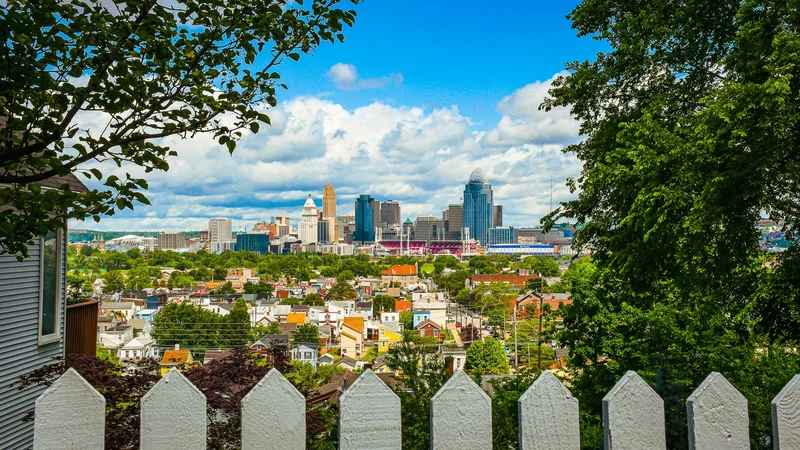
Cincinnati has long punched above its weight in the arts, and 2027 gives culture lovers several new reasons to visit. ArtsWave, the organization that has helped fund and sustain the region’s cultural scene since 1927, has already kicked off festivities for its 100th anniversary. The celebration culminates in 2027 with 100 Days of Arts in the spring and other special programming, including the world premiere of Cincinnati Opera’s John Lewis: Good Trouble in June.
Also in spring, Cincinnati’s live music scene gets a major new venue with the opening of the $160 million Farmer Music Center along the Ohio River. Set to become the city’s primary outdoor summer concert venue, the 20,000-capacity amphitheater uses a three-level vertical design intended to keep audiences closer to the stage, with 8,000 covered reserved seats and a general-admission lawn for up to 12,000 concertgoers.

Come fall, the Taft Museum of Art turns the spotlight on Robert S. Duncanson, the pioneering 19th-century Black landscape painter who made Cincinnati his home. Opening in October 2027, the retrospective—organized in collaboration with the Virginia Museum of Fine Arts—is the first devoted to Duncanson’s work in more than 30 years.

Finally, by year’s end a renovation of Cincinnati’s Lunken Airport Terminal is expected to be complete, transforming the now-shuttered landmark into a hospitality destination with a 34-room boutique hotel, restaurant, bar, patios, and event space—another reason to linger in the Queen City. —Lauren Dana Ellman
Luxor, Egypt
The date circled on every serious sky-watcher’s calendar for 2027 is Aug. 2, when the “eclipse of the century” will totally cover up the sun over parts of North Africa, Southern Europe, and the Middle East for a duration of 6 minutes and 23 seconds—the longest length of time a total solar eclipse will be visible from land until 2114, according to NASA.
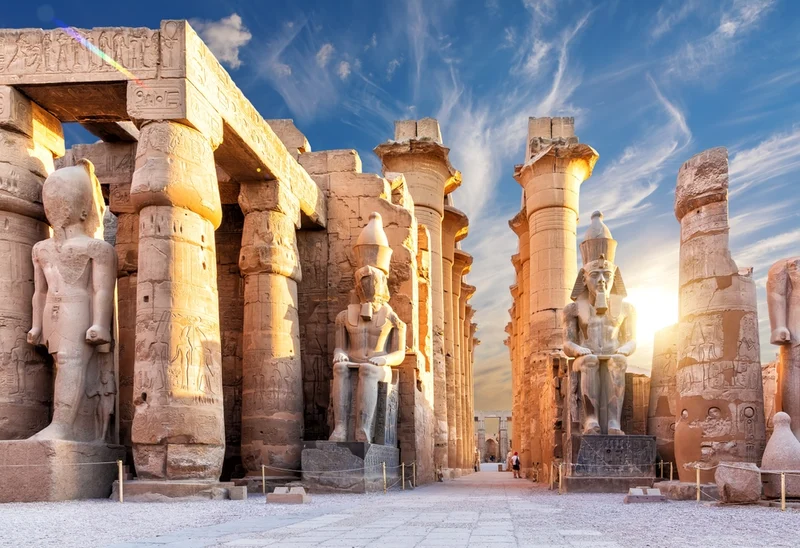
Even more enticing: The point of “greatest eclipse” is almost smack-dab over Luxor, Egypt, where summer skies are famously cloud-free and where an astonishing collection of ancient temples, tombs, obelisks, and colossi stand ready to serve as the best imaginable backdrop for a cosmic event of the ages.
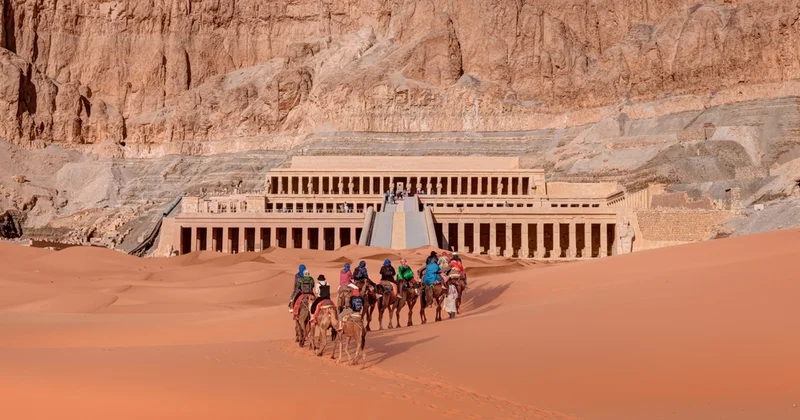
Mind you, we’re talking here about Egypt in August, when daytime temperatures nearly always reach into the triple digits (in Fahrenheit/40s Celsius). Your best bet for staying relatively comfortable is to book an eclipse-themed cruise on the Nile, which bisects Luxor, from operators such as Smithsonian Journeys, Memphis Tours, and others. Befitting the once-in-a-century nature of the event, prices are high and many tours are already sold out (though you can usually put your name on a waiting list in case of cancellations).
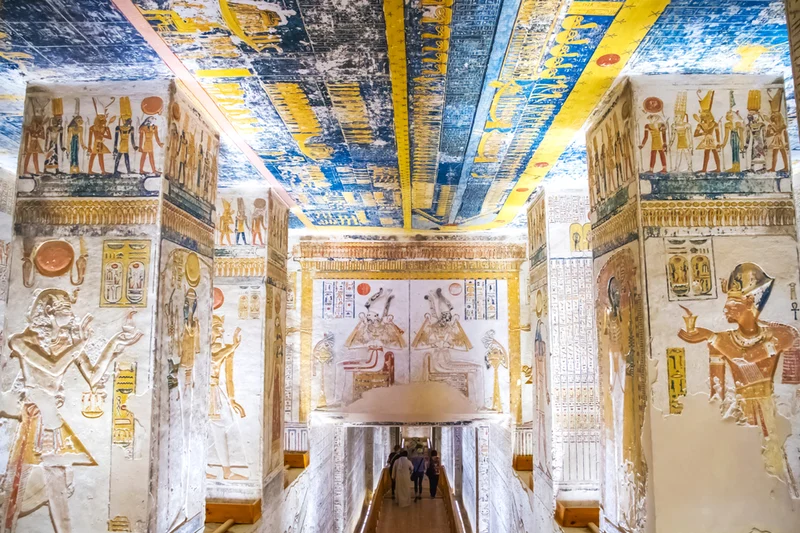
Seeing Luxor outside of Leo season is still worthwhile, of course. The sun won’t be blotted out for the length of a cigarette break, but the Valley of the Kings, Karnak Temple, and other outsize ancient wonders will be right where they’ve always been. Continue northward on your cruise up the Nile and you’ll reach Cairo and Giza, where you can behold many of the artworks, artifacts, and other treasures discovered in Luxor’s ruins and held for safekeeping in the Grand Egyptian Museum, which, after years of delays, has finally opened in full near the Pyramids. —Zac Thompson
Ely & Great Basin National Park, Nevada, U.S.A.
2026. Has. Been. A Lot.
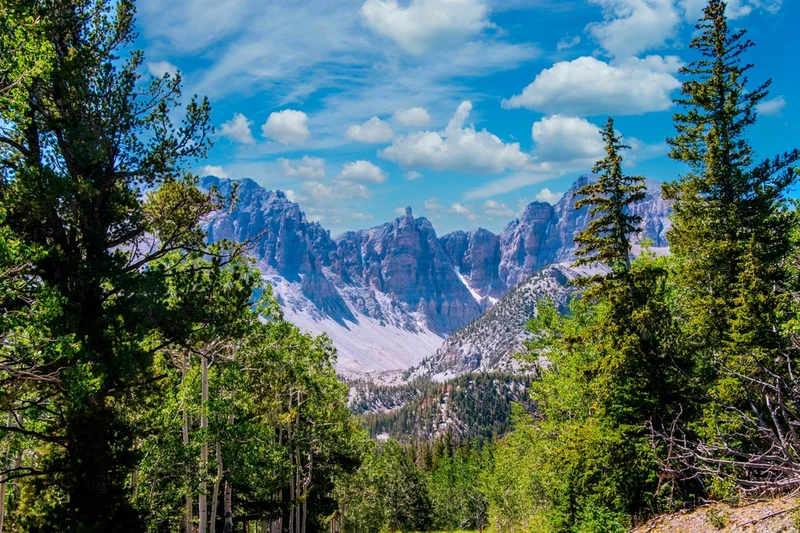
Which is why for 2027, we are recommending this tiny desert town (pop. 4,000) which is not actually off the grid, but might make you forget that there is a grid. Set along U.S. 50, aptly nicknamed “The Loneliest Road in America,” in Ely you can get deeply into nature, especially at the mountainous Great Basin National Park, which is just outside town. One of the least-visited parks in the system, it’s a beaut, home to alpine lakes, the last glacier in Nevada, and bristlecone pine trees older than Rome’s Colosseum (they can live up to 5,000 years). In 2026, the park’s labyrinthine Lehman Caves reopened after a $5.8 million lighting upgrade—another potent reason to go, especially for spelunking fans.
After dark above ground, this distant corner of the American West is prime stargazing territory. Great Basin holds Gold Tier International Dark Sky Park status. If you can’t see your favorite constellations here, well, they’ve fallen out of the sky.

This area may be remote, but it’s anything but dull. There are also panorama-rich mountain biking trails, ice fishing opportunities, and hot springs to discover.
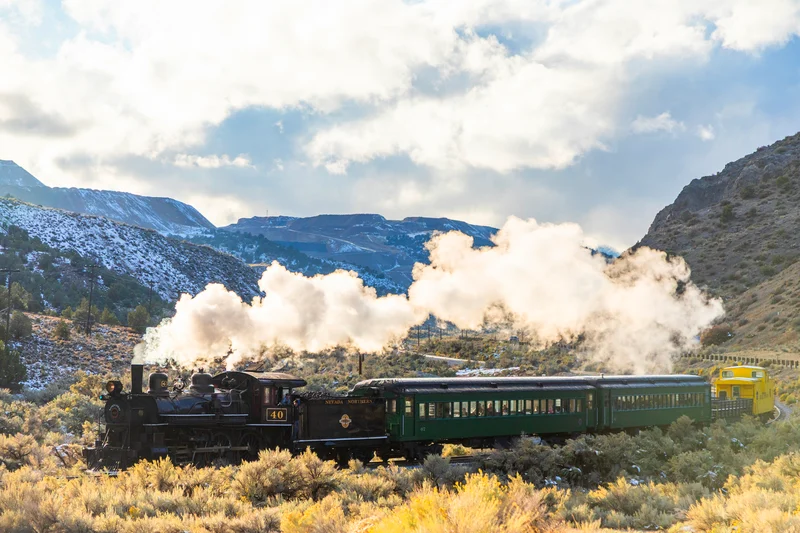
And when you want a lowkey taste of civilization, head into town, which was founded as a stagecoach stop in the 1870s. It shines with lots of public art and two art galleries, plus the Nevada Northern Railway Museum, which tells the story of the area through its transportation and offers excursions into the canyons on vintage trains and handcars.

Cute shops and restaurants, including a classic soda fountain (here since the 1940s), evoke another era and an easygoing mindset. Unwind and forget your anxiety about our times—this region is timeless. —Pauline Frommer
Cartagena, Colombia
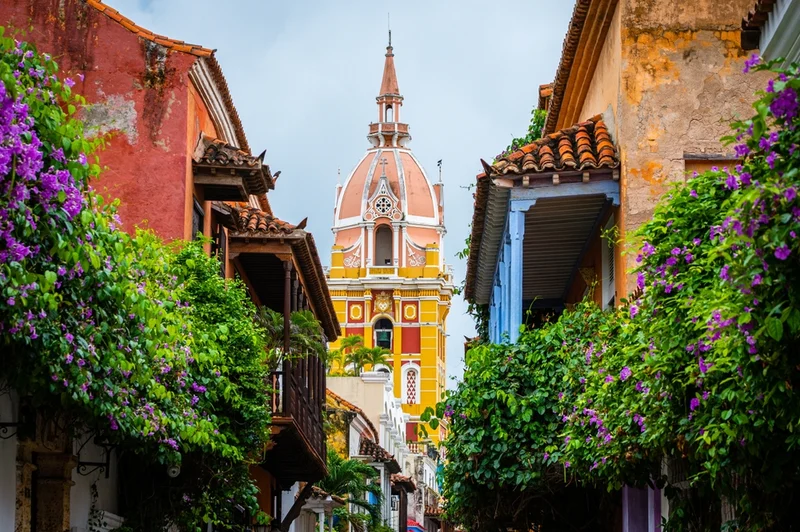
In 2027, the nearly 500-year-old walled city of Cartagena celebrates the 100th anniversary of Gabriel García Márquez’s birth by turning into a living monument to the author’s life, journalism, and fiction. The Colombian Nobel laureate (One Hundred Years of Solitude, Love in the Time of Cholera) spent his formative years in Cartagena, and the beguiling Caribbean destination is going all out with centennial events.

They begin with the Cartagena Festival of Music, Jan. 9–17, featuring the Gabo Experience (a reference to the writer’s nickname), a tour of the writer’s home paired with performances of new musical works inspired by four of his novels and readings from those works. The 66th Cartagena International Film Festival, April 6-11, will also honor his legacy, given his contributions to cinema and screenwriting. And in November, the Gabo 100 Festival will honor García Márquez with a slate of soon-to-be-announced journalism and cultural events. Meanwhile, pilgrims can visit the University of Cartagena’s Claustro de la Merced, the former convent that houses García Márquez’s mausoleum (he died in 2014).
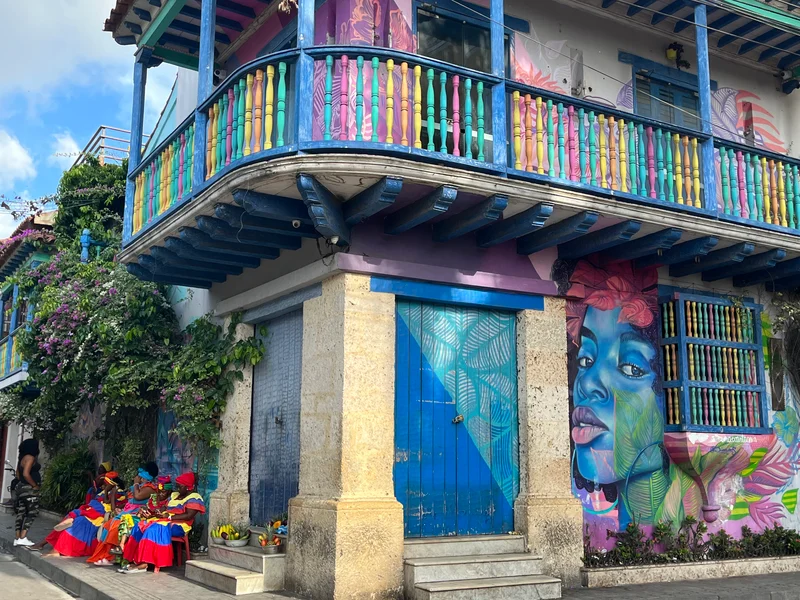
Another way to follow in the writer’s footsteps is to take the Macondo Route’s Getsemaní Circuit, a digital guide through the city’s vibrant, boho neighborhood that helped inspire the magical realism of the author, who described this area as “a festival of shouts and colors.” —Veronica Stoddart
Kuala Lumpur, Perak, Malaysia
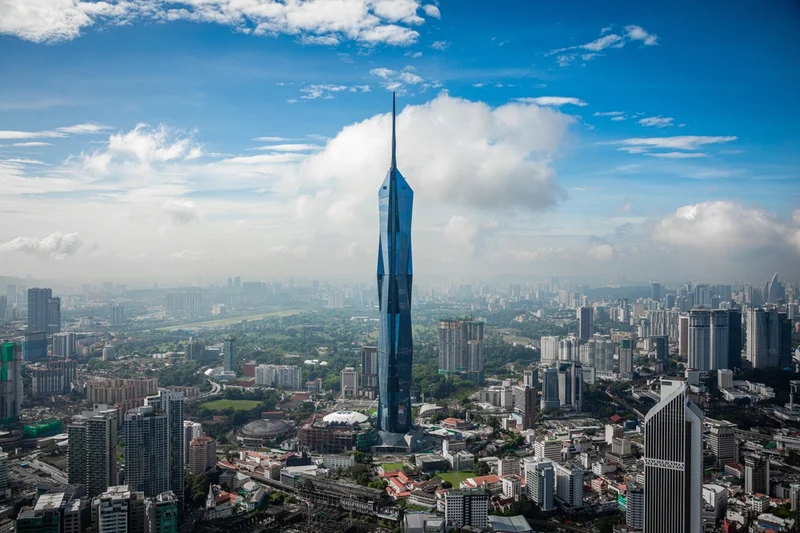
Malaysia’s capital is on a roll. Recent additions include the new observatory-topped Merdeka 118 tower which, at a lofty 2,227 feet isn’t just the world’s second-tallest building, but also one that makes Kuala Lumpur’s famous Petronas Towers, once the tallest, look somewhat puny. Malaysia’s first Waldorf Astoria opens in late October 2026, adding to the already-impressive roster of luxury hotels, many of which are making well-being a prime focus.

Prefer culture fixes over luxury treatments? You’re in luck, because KL is packed with pan-Asian street food, galleries, and museums, including the Merdeka Textile Museum, which opened in August 2026 and offers a wonderfully colorful tribute to Malaysia’s world-famous fabrics, which, by the way, make for sumptuous souvenirs.
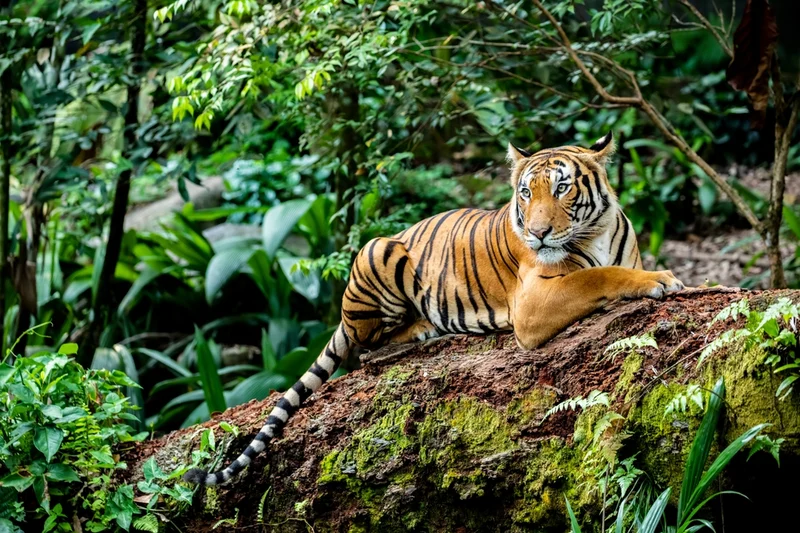
The best bit? The sophisticated diversions of KL, which already operates one Asia’s best public transport networks (choose from MRT, LRT and KTM Komuter trains, the monorail, or RapidKL buses), are about to be connected with the Malay Peninsula’s rustic eastern region thanks to the East Coast Rail Line, which will start operating in early 2027. The 414-mile railway will slash journey times from Gombak (on Kuala Lumpur’s outskirts) to the East from seven hours to four, opening the pristine beaches, protected marine parks, and untamed rainforests of eastern Malaysia to a whole new set of first-time visitors. There’s never been a better—or an easier—time to explore the Malay Peninsula. —Tamara Hinson
Santiago de Compostela, Spain
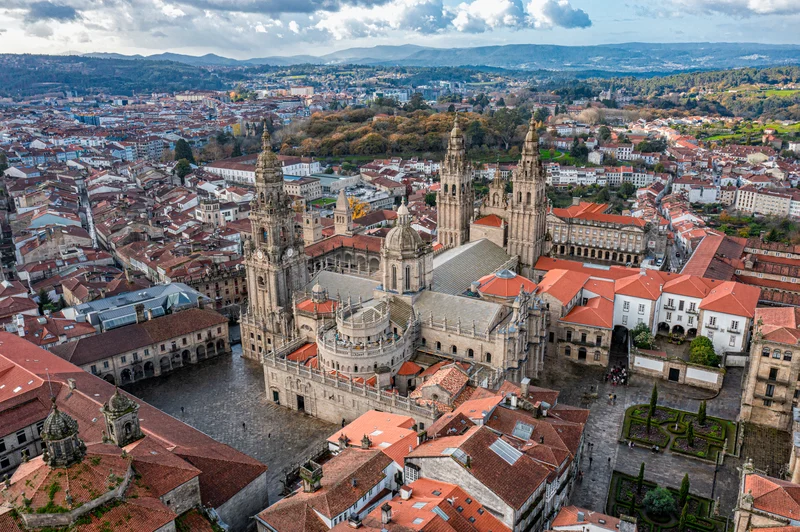
If you’ve dreamt of making a pilgrimage on the Camino de Santiago, 2027 is a great time to do it. It’s an Año Xacobeo, or Holy Year, when St. James’s Day (July 25) falls on a Sunday and the streets of the Galician capital will be filled with festivities and weary pilgrims.
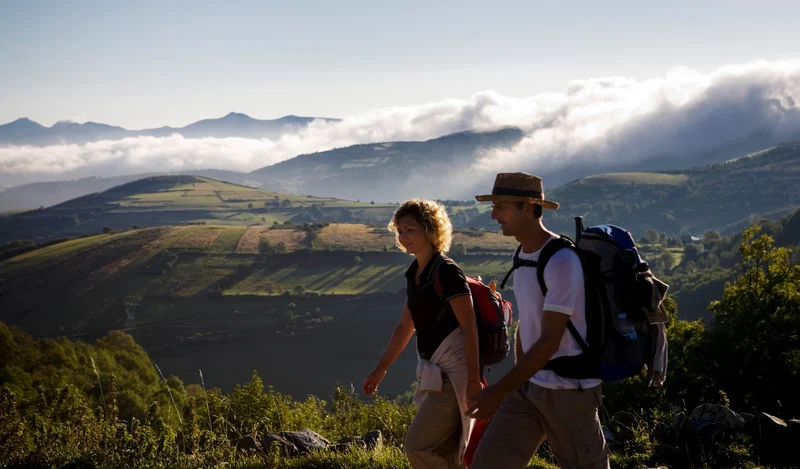
No need to walk during the peak of summer, when Spain is hot. In 2027, the historic northern city will host events and celebrations throughout the jubilee year. The Holy Door (Puerta Santa) to the 11th-century Cathedral opens the last day of 2026, and for the next 12 months, pilgrims are invited to enter it to visit the supposed tomb of St. James and have their sins absolved. The Botafumeiro, the giant censer that fills the Cathedral with its heady aroma, will swing into action on frequent occasions. Whether you’re planning to walk for religious reasons or simply for the challenge and camaraderie of the Camino, you'll need to book everything well in advance as many more pilgrims than usual are expected. Consider walking one of the less-traveled routes, perhaps the strenuous Camino Primitivo or the long, solitary Vía de la Plata, but don’t miss the Camino during one of its most vibrant years. —Peter Barron
Loreto, Mexico
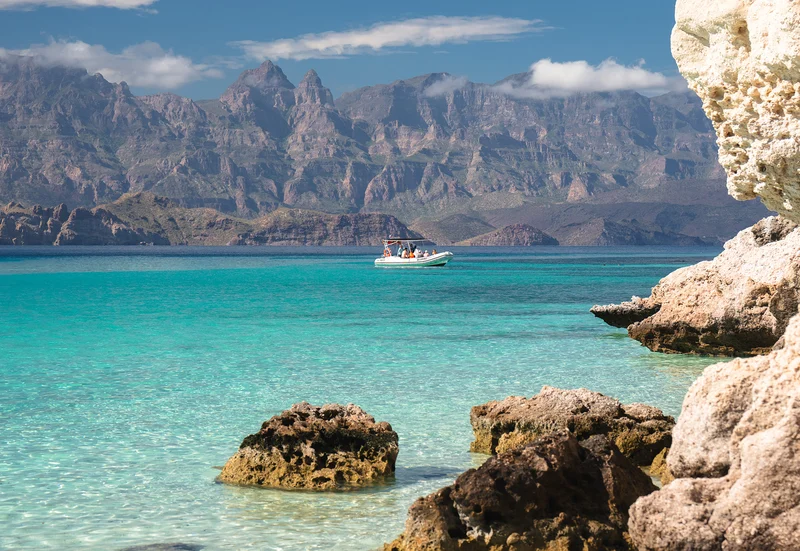
Finding a beach in Mexico that isn’t clogged with crowds and sargassum has gotten more difficult lately. But a coastal spot on the country’s western side is emerging as an especially appealing option.
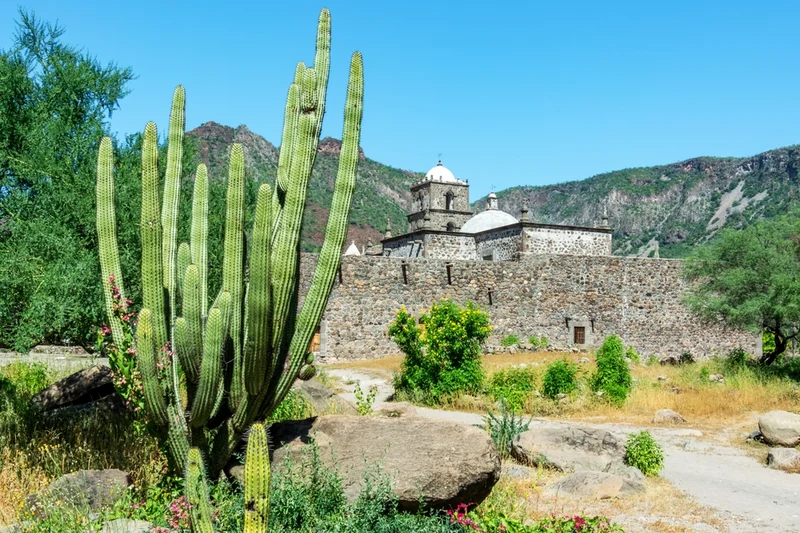
As the onetime center of the Spanish mission effort during the colonial era, the village of Loreto, situated between the Sierra de la Giganta mountains and the Sea of Cortez in Baja California Sur, has gotten global attention before—but things have been pretty quiet the last couple centuries or so. That has helped preserve the throwback charm of the place, notable for its cobblestone streets, family-run seafood restaurants, and 18th-century Misión de Nuestra Señora de Loreto Conchó. In 2012, Loreto was named a Pueblo Mágico, Mexico’s designation for towns of historical and cultural significance.
You can throw in marine-biological significance, too. Aptly nicknamed the “Aquarium of the World,” watery Loreto Bay National Park contains a whopping 39% of the world’s marine mammal species, including the biggest—blue whales—as well as gray whales, sea lions, and dolphins. Naturally, that underwater abundance makes Loreto an ideal destination for snorkeling, diving, boat tours, and sea kayaking.
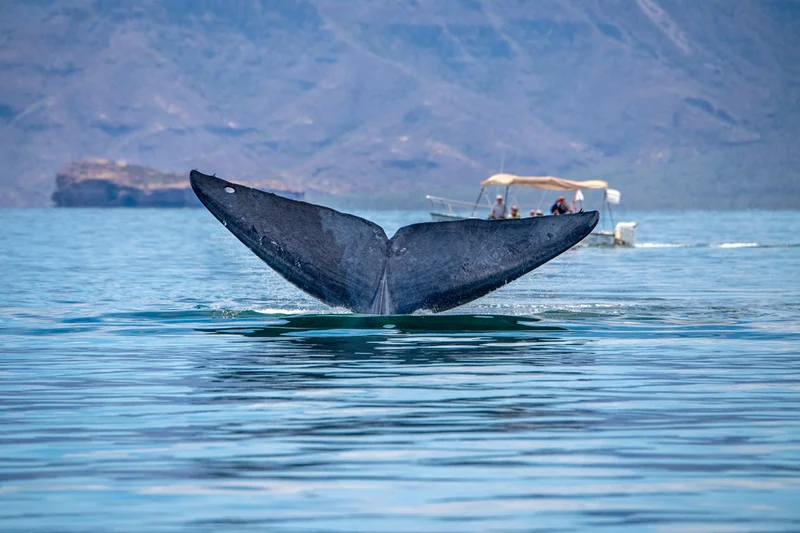
This winter, Loreto gets its first beachfront wellness resort, Mailena, an adults-only property with 96 luxury guest rooms and a program of personalized health and longevity treatments. If you worry whether the arrival of such an enterprise will change the rustic vibe of Loreto, take comfort from the region’s federal protections and conservationist ethos that work to keep the pace of development slow and sustainable. Nobody’s putting in a Señor Frog’s anytime soon. —Zac Thompson
Miami, Florida
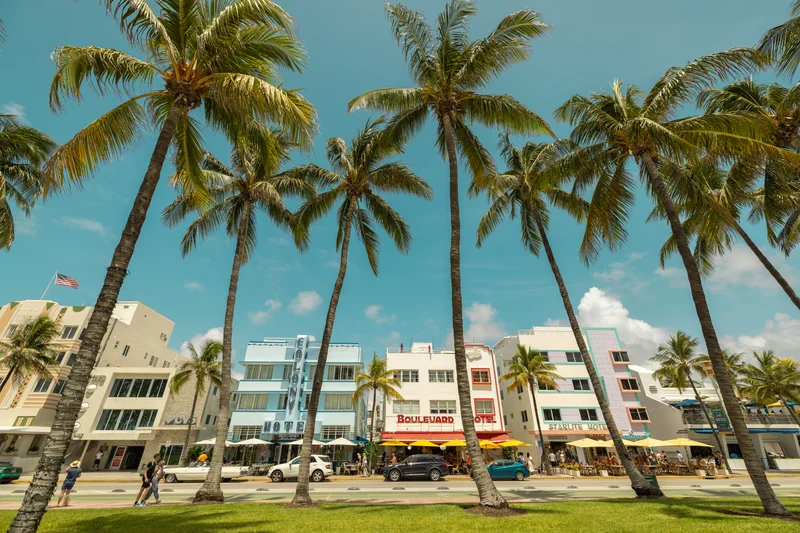
Miami already has one of the most admired contemporary arts scenes in the United States (visit The Bass, Pérez Art Museum Miami, Rubell Family Collection, Wynwood Walls, or one of the city’s many fine galleries to see what we mean).

And you don’t need to step out of the sunshine to check out the city’s newest art venues. February will mark the completion of the 10-mile linear park known as The Underline, a new outdoor corridor that runs from the Miami River in fashionable Brickell beneath the Metrorail, the city’s elevated public transit system, through Coconut Grove, Coral Gables, and South Miami to Dadeland Mall. Use it to grab a bike share, jog past Miami’s famous architecture, or stroll past ribbons of native plantings dotted with sculpture, murals, and benches by a diverse list of well-known artists including Hank Willis Thomas, Pablo Atchugarry, Gio Swaby, April Bey, Jeppe Hein, Alexandre Arrechea and soon, Sanford Biggers. On weekends at the Underline, you can often catch a free yoga class, concert, farmers market, or food stalls.

Meanwhile, across the bay in Miami Beach, another new installation is taking shape 20 feet beneath the sea: The first phase of The Reefline, a 7-mile underwater sculpture park planted with coral, has added a ‘“traffic jam” of 22 concrete cars designed by Argentinian artist Leandro Erlich. Reach it by boat on a Reefline tour or DYI-style with a paddleboard from the beach. With these new trails, to explore Miami’s distinctive art scene is to explore the masterpiece of Miami itself. —Jane Wooldridge
Cairngorms National Park, Scotland
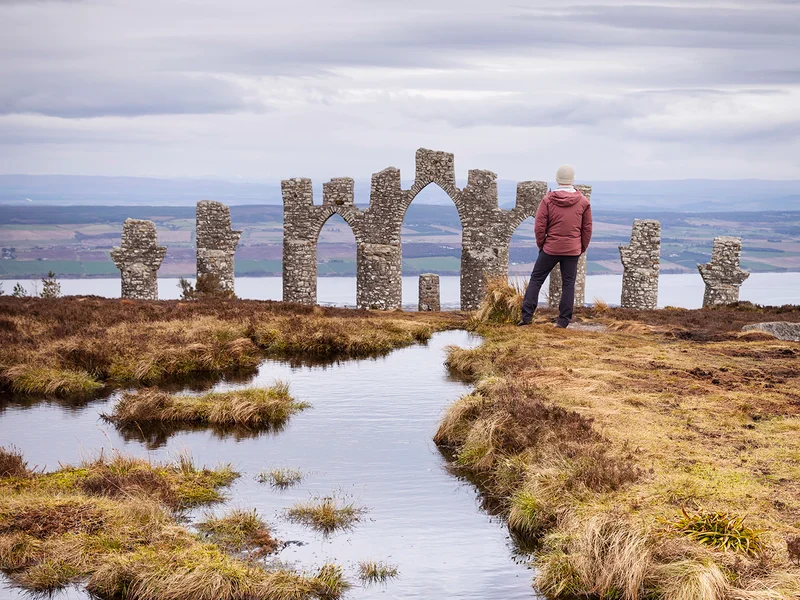
The current administration’s recent proposal to sell off parts of Yosemite National Park to private developers is one of many perils threatening America’s public lands, including budget cuts, staff reductions, and loss of protected status. It’s refreshing to know that an entirely different story is unfolding in Cairngorms, the largest national park in the United Kingdom, with 1,750 square miles of peaks, glens and heather-carpeted moors in the Scottish Highlands.

A large wildfire, fueled in part by exceptionally dry conditions, burned through 10 square miles of moorland and pine forests this past summer, and has added urgency to the park’s commitment to preserving the spectacular landscapes for generations to come—all the more important as European summers become increasingly warm and the park remains a cool haven where temperatures still rarely climb above the low 60s and snow lingers on high mountain plateaus that are home to free-ranging reindeer.
Ongoing initiatives include restoring wetlands, expanding forests, and addressing climate change with 2 million annual visitors who come to walk and cycle on 650 miles of paths, ski at three of Scotland’s top winter resorts, climb 55 mountains over 3,000 feet tall, and observe wildlife (the park is home to one-fourth of the U.K.’s rare and endangered species, including golden eagles and wildcats).

Welcoming and attractive villages in the park are home to about 18,000 homo sapiens—among them are the British royal family, whose Balmoral Castle is in the park and can be visited when they are not in residence. Crathie and other villages distill single malt whiskies, and several host the famous summertime Highland Games, when “tossing the caber” (a large log) and a lot of dancing and bagpipe playing add to the pleasure of being in these beautiful surroundings. —Stephen Brewer
Dolly Parton’s Tennessee, U.S.A.

When Dolly Parton took her final bow in August 2026, we were all shattered. But her fellow Tennesseans had their marching orders: Cry a little—Dolly was the queen of the tearjerker ballad, after all—and then get to work honoring their favorite daughter. While tribute events started immediately, 2027 will be prime time for celebrations across Tennessee. The first is Dollyfest, a two-day, multi-event, star-studded party in Nashville (with a companion event to follow the next weekend in London) that was originally going to be Dolly’s self-hosted 80th birthday bash. The dates are TBD, but her estate promises “the party of a lifetime... truly dreamed up by Dolly,” which is perhaps the most ringing posthumous endorsement a party can have.

Also in Nashville, find Dolly's lively and luxurious 245-room SongTeller Hotel, opened in September. Near the historic Ryman Auditorium, explore Dolly’s Life of Many Colors Museum, packed with content selected by the Parton family and videos Dolly recorded to guide you. (The model of the tiny cabin where she grew up in the Great Smoky Mountains is extra fun.) For artists carrying her influence forward, check out Jolene’s on the top floor to catch Music City’s rising singers, and pop in to Parton’s Live on the second floor for writers’ rounds, songwriter sessions, and showcases.
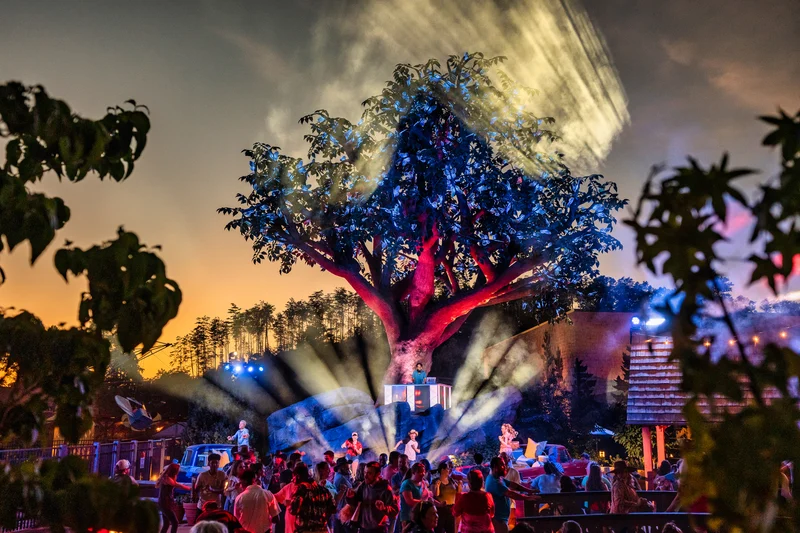
In Pigeon Forge, in the mountains east of Nashville, you can always visit her award-winning, 165-acre Dollywood, which sets a benchmark for family theme parks with 50-plus rides, musical shows, Appalachian crafts, and magical seasonal festivals. Over 2027, the park will launch new Dolly exhibits, add a memorial waterfall, and unveil an Imagination Library-inspired character, Dream Maker, in tribute to the 330 million books that Dolly’s nonprofit has given to children around the world so far. The parks also recently debuted a first-of-its-kind indoor adventure water coaster, NightFlight Expedition, that immerses riders in Tennessee's great outdoors, from daring whitewater rafting to a dusky glide over the Smokies.

And several months ago, Parton opened a bedazzled, darn fun rest stop—Dolly’s Tennessean Travel Stop—in Cornersville, Tennessee, that’s been attracting big crowds, and has live music many nights of the week.
True pilgrims can finish in neighboring Sevierville, the quaint town where the Backwoods Barbie grew up. With the new “In Dolly’s Footsteps” tour, you can walk to nine places where Dolly’s experiences shaped her mountain youth. It’s the best way to walk a mile in Dolly’s shoes without having to strap on sparkly stilettos—and just one of the many fun new ways to rejoice in a life incredibly well-lived. —Ashley Brantley